

Your inspection deserves more than a quick walk-through and a checklist. Whether you’re buying a home in Rio Rancho, selling a property in Santa Fe, or maintaining a rental near the East Mountains, Albuquerque Premier Inspections delivers a thorough, education-focused experience from the first phone call to the final report.
We hold our work to the Standards of Practice set by both ICA and InterNACHI, two of the most respected names in the home inspection industry. During your inspection, our certified home inspectors examine every major system and component of the property and note anything that needs your attention, big or small.
Once the walkthrough is complete, we’ll walk you and your real estate agent through what we found, in plain language, no jargon required. You’ll get a detailed report the same day, delivered in an easy-to-navigate digital format complete with photos and, when requested, drone footage or an interactive walkthrough video. It’s everything you need to move forward with a clear head.
A detailed report gives buyers real leverage to request repairs or renegotiate price, and gives sellers a reason to address issues before a buyer ever walks through the door.
From electrical panels to signs of moisture intrusion, an inspection surfaces the kind of safety concerns that aren't always obvious during a showing.
We'll flag components nearing the end of their lifespan, like an aging water heater or an HVAC system on its last legs, so you can plan ahead instead of getting caught off guard.
Radon levels vary block by block across New Mexico. Testing during your inspection means you're not guessing about air quality in your own home.
Knowing exactly what you're buying, selling, or maintaining takes the guesswork out of one of the biggest transactions most people will ever make.
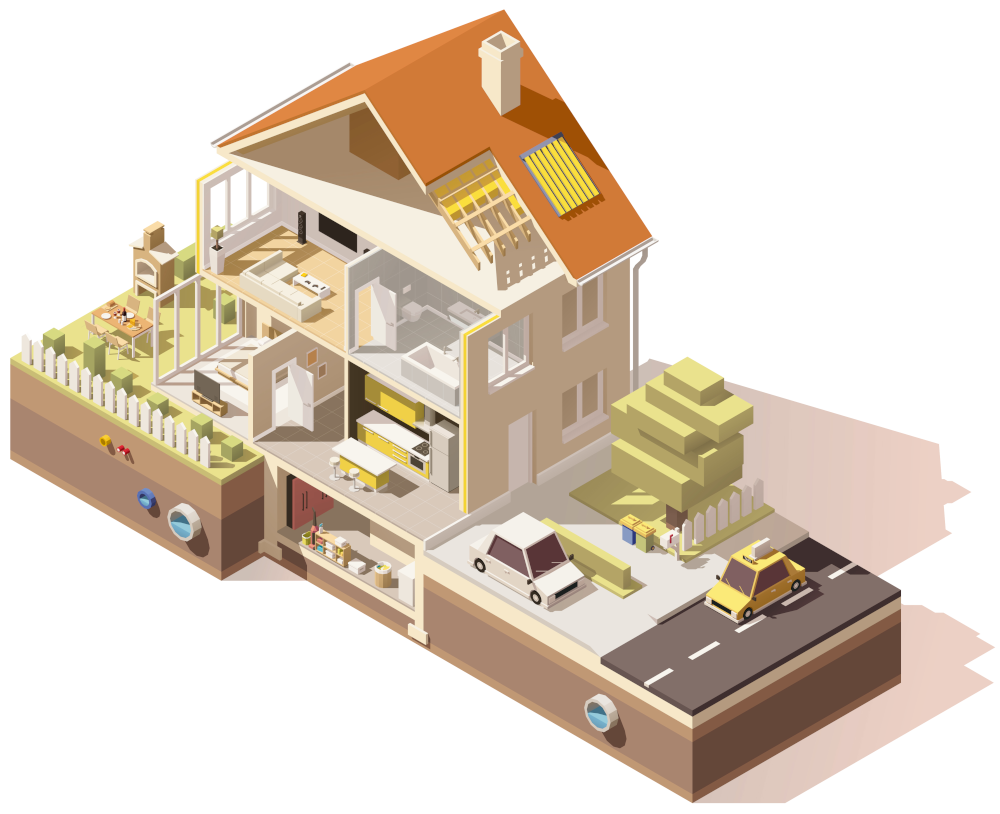
We evaluate the roof, foundation, electrical system, plumbing, HVAC, insulation, windows, doors, and other major components of the property. Most residential inspections take between two and three hours depending on the size and age of the home.
Clear access to the attic, crawlspace, electrical panel, and water heater ahead of time. Make sure gas and electric utilities are on, and if pets will be home, keep them contained so our inspector can move through the property safely.
Not at all. If you can’t attend, our interactive walkthrough video lets you see exactly what we saw, and we’re always available afterward to answer questions by phone or email.
No, and that’s by design. We can point you toward what needs attention, but keeping inspection and repair work separate protects you from any conflict of interest. The choice of contractor and timeline is entirely yours.
While a home inspector may recommend some minor repairs, they are not qualified to make major repairs. They can provide information about what needs to be repaired — and it might be helpful to know that information — but the decision to actually do the work lies solely with the homeowner. Not only does this give you the freedom to choose your contractors, but it also helps prevent a conflict of interest.

Roof coverings, gutters, downspouts, vents, flashing, skylights, chimney, roof penetrations and the general structure of the roof.
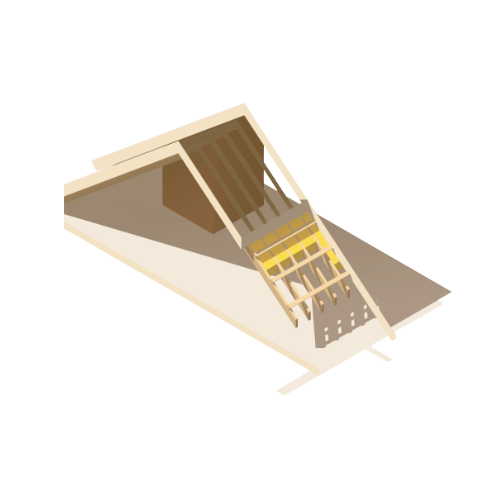
Insulation and ventilation of unfinished spaces, including attics, crawl spaces, foundation areas and exhaust systems.
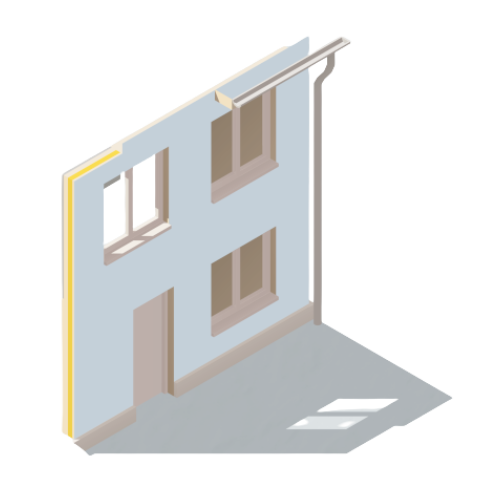
Siding, windows, exterior doors, flashing & trim, walkways, driveways, stairs, patios & decks, and drainage.
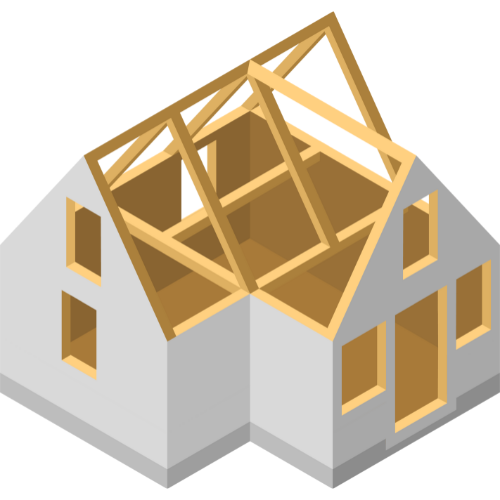
Foundation movement, cracks, structural concerns, and indication of water penetration.
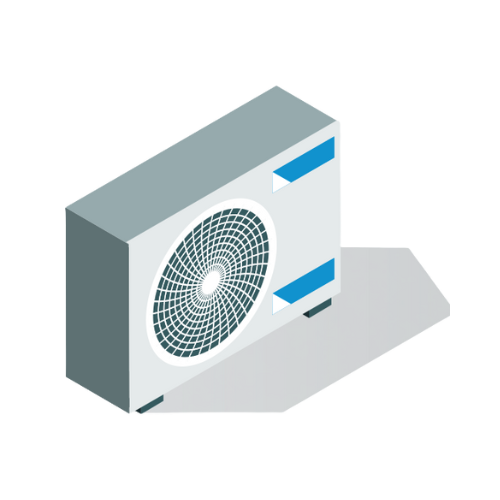
Cooling system, location of thermostat, energy source and cooling method.
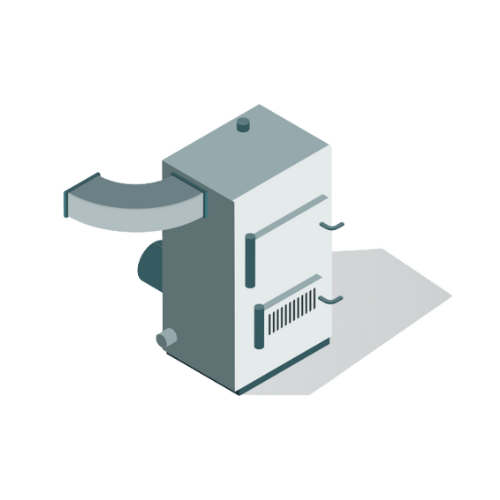
Heating system, location of thermostat, energy source and heating method.
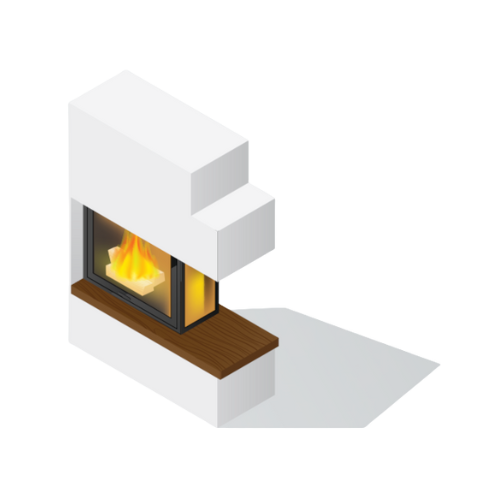
Visible portions of the fireplace & chimneys, lintels, damper doors, and cleanout doors & frames.
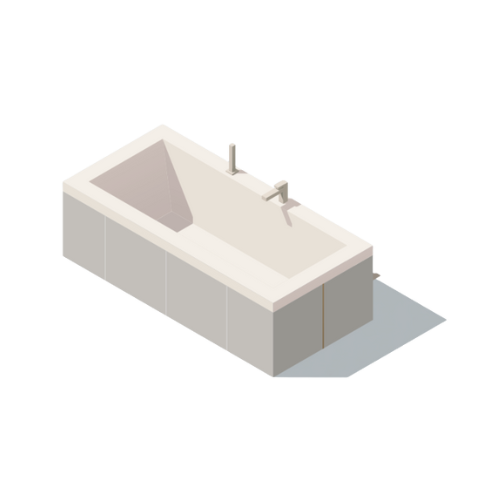
Main water & fuel supply shut-off valves, water heater, interior water supply, toilets, sinks, tubs, showers, drain, waste and vent systems.
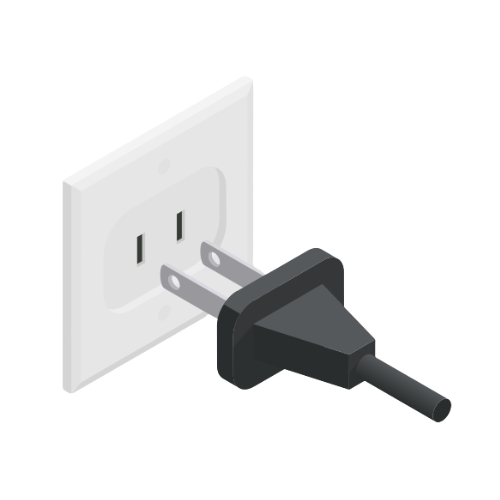
Service drop, overhead service conductors, service head & mast, main service disconnect, panelboards, grounding, switches, light fixtures, receptacles deemed to be AFCI & GFCI, and the presence of smoke alarms & carbon monoxide detectors.
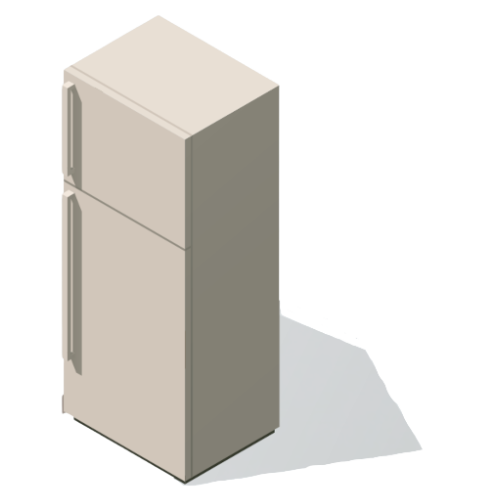
Dishwasher, disposal, range, oven, microwave, refrigerator, exhaust, bathroom heater, garage door, doorbell, and dryer vent
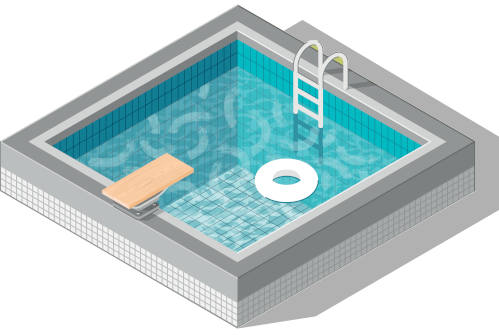
Circulation, heating, filtering, electrical, water chemistry, and possible safety issues.

Representative number of doors & windows, floors, walls, ceilings, stairs, railings, garage door and openers.
